
In a recent post I mentioned how much I enjoy reading stories and articles in old newspapers and magazines.
Not long ago I was paging through an 1888 issue of The Home magazine and came across an essay titled “Confidence.” I expected to read a lesson on self-assurance and developing a strong character to deal with Life’s adversities.
But that didn’t happen. Not with this article. In fact, this article really surprised me, and I read it about three times to make certain I understood the author’s meaning.
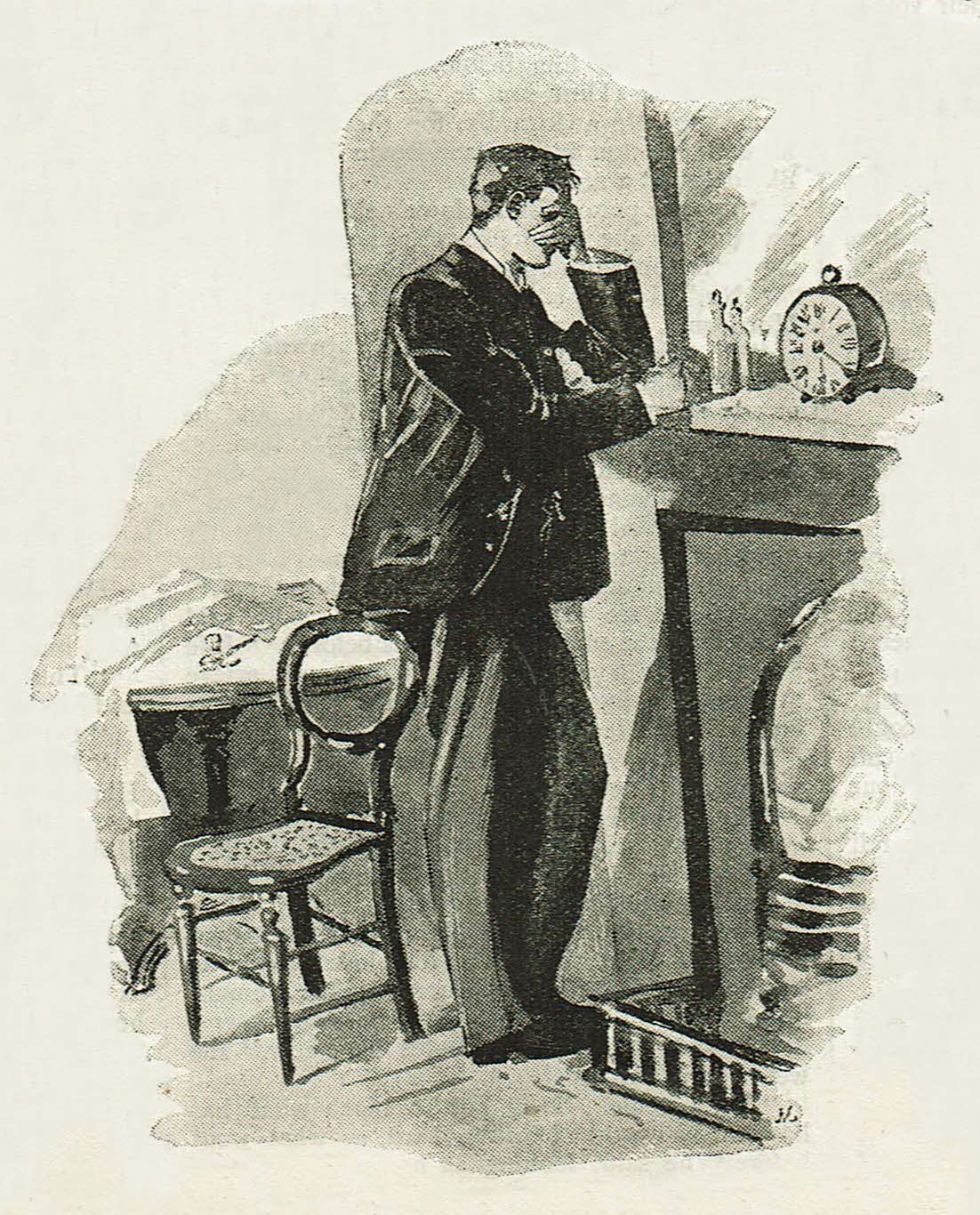
Here’s the essay in full (with a couple of my favorite magazine illustrations to add a bit of visual interest):
The lack of confidence in one another, is a terrible thing to contemplate, for it suggests the unreliability of human nature and the lack of character. The world is so full of villains that men sooner or later are apt to adopt the harsh rule to regard every man as a rascal until he proves himself honest.
It is probably true that every man who has the disposition to help his fellow men is often grossly imposed upon. The imposter and dishonest man are usually accomplished hypocrites, and with smooth words and studied actions are liable to deceive Satan himself.
The honest victim of such wiles is nearly always kind-hearted and unsuspicious, with a firm faith in human nature—notwithstanding its many defects—and while determining after experiencing each new deception, to be more on his guard, is still the prey of the designing, and his own good nature and the evil natures of those who mark him for a victim of their schemes, may at last operate to harden him and drive him into a state of unreasonable uncharitableness.
If there is any gain to anybody from such dishonest practices as lead to such results there might be some excuse for them, considering the weaknesses of men. But it is a fact that nobody gains and that everybody loses. The rascals who plot day and night against their fellow men are not usually profited even in a material sense. They are chronically both poor in purse and character.

The world—so full of enjoyment to honest men—is a source of torture to them. Dishonest themselves, they doubt the honesty of others; guilty, they fear retribution; and dishonorable and vicious, they shrink from the gaze of mankind.
It is a miserable man who fears to meet another. It is wretched existence that neither enjoys the confidence of our fellow men nor gives them our confidence; and while these solemn facts are patent, it is a marvelous thing that the chief purpose of life should not be to build character and win confidence.
Money is not nearly as valuable as character, for money cannot buy the respect of thoughtful men and women, and the most beautiful portions of life’s pathway are like deserts without the respect, love and confidence of mankind.

I wish I knew who wrote this, but, sadly, that information wasn’t printed; I’d like to read more of this author’s writings. His/her thoughts about trust, character, and the human tendency to become cynical after being deceived are insights that feel as relevant now as they must have felt to readers in 1888.
I think it’s remarkable how words written nearly 140 years ago can speak so directly to our lives today.
In our modern world we’re often advised to be cautious and skeptical—to protect ourselves from scammers, fraudsters, and those who would take advantage of our good nature. But this old essay is a timeless reminder about what truly matters. Some things, like honesty, respect, and the value of integrity never go out of style.
What did you think of the essay?
 Writer Jenny Berlin